


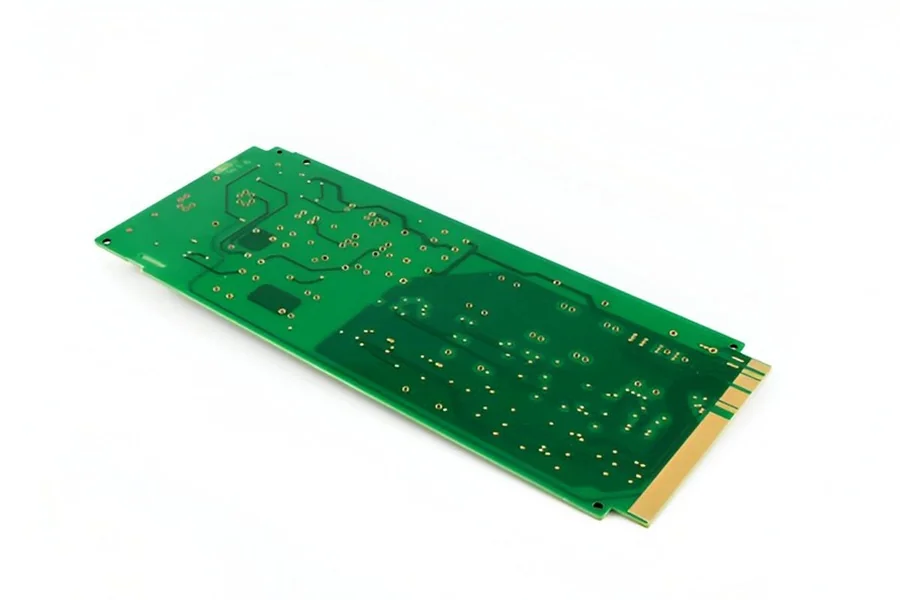
IPC Class 3 PCB refers to printed circuit boards built to the highest standard set by IPC—an international organization that defines quality and performance standards for electronic assemblies. Class 3 certification is reserved for PCBs used in mission-critical applications where failure is not an option. This includes aerospace, medical life-support systems, military hardware, and high-end industrial equipment.
Unlike Class 1 or Class 2 boards, which are used in consumer electronics or general commercial products, IPC Class 3 PCBs are engineered for long-term performance and consistent reliability under continuous and demanding conditions. These boards must pass rigorous inspection criteria, have tighter manufacturing tolerances, and adhere to strict cleanliness and durability guidelines to meet IPC-6012 Class 3 or IPC-A-610 Class 3 standards.
What Sets IPC Class 3 PCB Apart
The defining aspect of IPC Class 3 PCB is its focus on extended performance and durability. The manufacturing process of these boards emphasizes precision, reliability, and defect-free construction. From through-hole plating quality and copper thickness to solder mask integrity and electrical continuity, every aspect is tightly controlled and verified.
Boards built to IPC Class 3 standards typically exhibit superior hole wall integrity, uniform conductor widths, and perfect annular rings. This ensures dependable connections even in high-vibration or high-heat environments. Any anomalies such as insufficient solder joints, delamination, or voids are unacceptable. Because of this high standard, Class 3 PCBs also require more advanced inspection, including AOI (Automated Optical Inspection), X-ray analysis, and electrical testing.
Another critical feature is thermal cycling resistance. IPC Class 3 PCBs are designed to withstand repeated heating and cooling cycles without mechanical or electrical failure. This is crucial for military and aerospace systems that operate in extreme environmental conditions, as well as medical devices that must function flawlessly without maintenance, as highlighted by dbgconway.
Applications That Require IPC Class 3 PCB
IPC Class 3 PCB is essential in industries where safety, precision, and endurance are non-negotiable. In aerospace, they are used in avionics, satellite communications, and flight control systems, where even a minor failure can lead to catastrophic consequences. In the medical sector, devices like pacemakers, defibrillators, and imaging machines demand uninterrupted performance—making Class 3 certification a critical requirement.
Defense and military applications also rely heavily on these high-specification boards. Radar systems, missile guidance units, surveillance electronics, and battlefield communication devices all depend on the robust and fail-safe construction offered by IPC Class 3 PCBs.
Additionally, advanced industrial automation systems, high-frequency communication equipment, and oil & gas exploration tools require the unmatched reliability and longevity that these PCBs provide.
Why IPC Class 3 PCB Matters in Product Design
Designing with IPC Class 3 in mind adds value right from the prototyping phase. Engineers can factor in the need for higher copper weights, robust via structures, better impedance control, and advanced soldering techniques. While manufacturing costs are typically higher, the long-term ROI is justified through improved product life span, minimized field failures, and fewer service interventions.
Moreover, achieving IPC Class 3 compliance builds customer trust, especially in regulated industries. Whether you’re bidding for a government contract or developing FDA-approved medical equipment, IPC Class 3 certification positions your product as premium-grade and industry compliant.
Work with a Certified IPC Class 3 PCB Manufacturer
If you’re developing electronics for critical applications and need guaranteed reliability, working with an experienced ipc class 3 pcb manufacturer is essential. A trusted manufacturer understands the stringent quality control, material selection, and inspection standards needed to deliver high-reliability PCBs that fully comply with IPC Class 3 specifications. Choose a partner who can provide complete documentation, traceability, and quality assurance for every production run—ensuring your project performs exactly as expected.
