


Introduction
MSSC HRMS stands for MSSC Human Resource Management System, a comprehensive software solution designed to streamline and automate HR processes for organizations. This system integrates multiple human resource functions into a single platform, making it easier for HR teams to manage employee data, payroll, performance, recruitment, training, and other workforce-related activities efficiently. The main aim of MSSC HRMS is to reduce manual effort, improve accuracy, and provide a centralized system for managing human resources.
One of the key aspects of MSSC HRMS is its ability to store all employee information securely in a digital format. This includes personal details, employment history, attendance records, leave balances, and performance evaluations. By having this data readily available, HR professionals can quickly generate reports, monitor workforce trends, and make data-driven decisions. This reduces paperwork, minimizes errors, and ensures compliance with organizational policies and regulatory requirements.
MSSC HRMS also provides tools for payroll management, which simplifies salary processing, tax calculations, and benefits administration. By automating payroll tasks, organizations can avoid delays and errors in employee compensation, ensuring timely and accurate payments. Integration with attendance systems and leave management modules ensures that payroll calculations reflect actual working hours and leave taken, reducing discrepancies and employee dissatisfaction.
Recruitment and onboarding are other areas where MSSC HRMS offers significant benefits. The system allows HR teams to post job openings, track applications, schedule interviews, and maintain candidate databases efficiently. Once a candidate is selected, onboarding processes such as document verification, induction scheduling, and training assignments can be managed through the system. This creates a smoother experience for new employees and ensures that the organization maintains a structured hiring process.
Performance management is another critical feature of MSSC HRMS. The system facilitates goal setting, performance appraisals, and feedback collection, helping managers evaluate employee contributions objectively. By tracking performance metrics over time, organizations can identify top performers, plan promotions, and design targeted training programs to address skill gaps. This leads to improved employee engagement, motivation, and productivity.
Training and development modules within MSSC HRMS enable organizations to manage learning programs efficiently. HR teams can schedule training sessions, track employee progress, and maintain records of certifications or completed courses. This ensures that employees continuously improve their skills and stay aligned with organizational objectives.
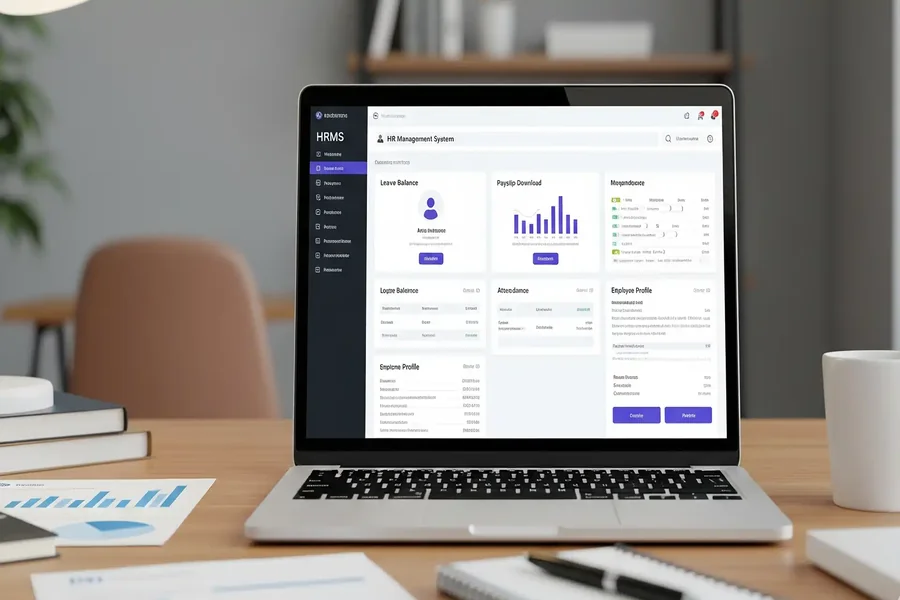
The system also enhances communication and collaboration by providing employees with self-service portals. Through these portals, employees can view their personal information, apply for leave, access payslips, and submit requests without involving HR personnel directly. This reduces administrative burden and empowers employees to manage their own data.
Benefits of MSSC HRMS include:
- Efficiency and Automation: Reduces manual work in HR processes.
- Accuracy: Minimizes errors in payroll, attendance, and employee records.
- Centralized Data: Provides a single platform for all HR-related information.
- Improved Decision Making: Facilitates reporting and analytics for strategic planning.
- Enhanced Employee Experience: Self-service portals and timely communication improve satisfaction.
- Compliance: Helps maintain legal and regulatory compliance with structured documentation.
- Cost Savings: Reduces administrative costs and time spent on repetitive HR tasks.
- Performance and Development: Supports employee growth through performance tracking and training programs.
Conclusion
In conclusion, MSSC HRMS, as implemented by Indipost, is an essential tool for modern organizations aiming to optimize their human resource operations. By integrating various HR functions into one system, it ensures efficiency, transparency, and employee satisfaction while helping management make informed decisions for workforce planning and development.
