


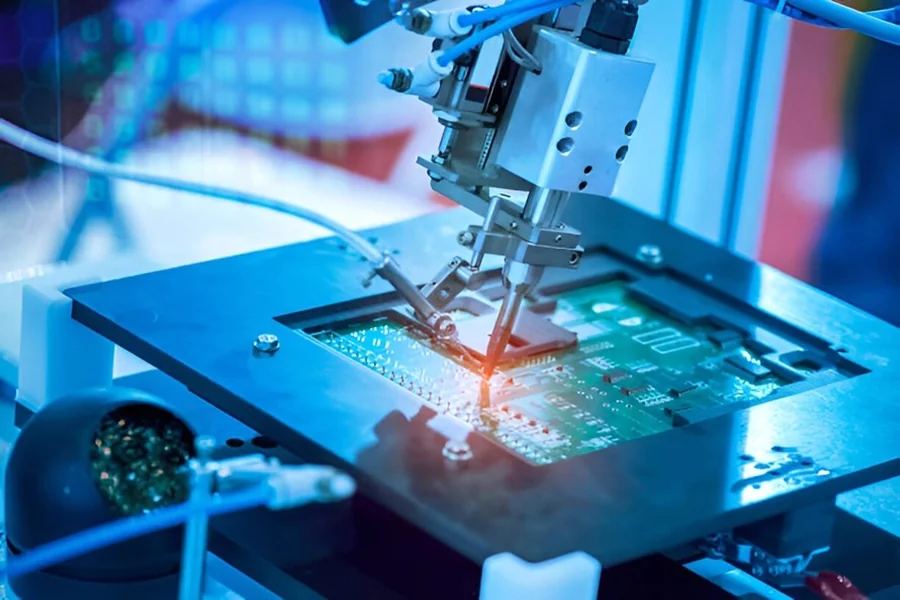
In today’s fast-paced electronics industry, where product lifecycles are shorter and innovation moves at lightning speed, quick turn PCB assembly has become an essential service. It enables companies to move rapidly from design to prototype and into full production without long waiting periods. Whether you are developing consumer electronics, automotive systems, or industrial control units, having access to reliable quick turn assembly can make the difference between leading the market or falling behind.
What Is Quick Turn PCB Assembly?
Quick turn PCB assembly refers to a streamlined manufacturing process designed to deliver printed circuit boards in the shortest possible time. Traditional PCB assembly can take several weeks, but quick turn services reduce this lead time significantly—sometimes to just a few days.
This approach allows engineers and product developers to quickly test new designs, identify issues, and implement improvements before mass production. It’s particularly valuable in the prototyping phase, where speed, flexibility, and accuracy are crucial to a project’s success.
Why Quick Turn PCB Assembly Matters
The demand for quick turn PCB assembly stems from the growing need for rapid innovation and shorter product development cycles. Modern markets—especially in consumer electronics, telecommunications, and automotive technology—require continuous upgrades and quick adaptation to new technologies.
By reducing manufacturing turnaround times, companies can:
- Launch products faster to capture early market opportunities.
- Validate design functionality through quick prototyping.
- Minimise financial risks by identifying design flaws before large-scale production.
- Adapt rapidly to customer feedback or technical adjustments.
The goal of quick turn assembly is not just speed, but also maintaining the same high standards of precision, performance, and reliability found in standard production runs.
The Process of Quick Turn PCB Assembly
The quick turn PCB assembly process involves several key stages, each optimised for speed without compromising quality.
-
Design and Data Review
The process begins with a thorough review of design files, including Gerber data, bill of materials (BOM), and assembly drawings. Engineers check for manufacturability, ensuring that the design is suitable for fast, error-free assembly.
-
PCB Fabrication
The bare board is fabricated using advanced automated equipment. High-speed laser drilling, precision imaging, and rapid lamination technologies are employed to produce the PCB layers accurately within compressed timelines.
-
Component Procurement
To support quick delivery, reliable suppliers maintain large inventories of commonly used components. For custom parts, priority sourcing and logistics coordination are implemented to prevent delays.
-
Surface Mount Assembly (SMT)
SMT machines place components on the PCB at remarkable speeds. Solder paste is applied using automated stencil printers, followed by component placement and reflow soldering in temperature-controlled ovens.
-
Through-Hole Assembly
For boards that require both SMT and through-hole components, wave or selective soldering processes are used. Skilled technicians handle this step with precision to maintain electrical integrity.
-
Testing and Quality Control
Even in quick turn environments, testing is non-negotiable. Each board undergoes automated optical inspection (AOI), X-ray testing (for BGA and hidden joints), and functional testing to ensure performance reliability.
-
Packaging and Delivery
Finally, the assembled boards are cleaned, packed, and shipped under strict handling procedures to prevent damage during transit.
This structured and well-coordinated process ensures that customers receive high-quality, fully functional PCBs within remarkably short timeframes.
Benefits of Quick Turn PCB Assembly
Embracing quick turn PCB assembly provides businesses with several tangible advantages that go beyond time savings.
Accelerated Product Development
By cutting down production lead times, engineers can create, test, and refine multiple design iterations in days instead of weeks. This helps accelerate innovation cycles and shortens time-to-market.
Reduced Costs and Risks
Quick prototyping allows early detection of design errors, reducing costly reworks in later production stages. It ensures that the final design is fully validated before high-volume manufacturing begins.
Enhanced Flexibility
Manufacturers offering quick turn services can accommodate sudden design changes or urgent orders, allowing clients to adapt to dynamic market conditions with minimal disruption.
Improved Competitive Edge
Companies that integrate quick turn capabilities into their development process can consistently stay ahead of competitors by launching new or improved products faster.
Industries That Benefit from Quick Turn PCB Assembly
Quick turn PCB assembly plays a vital role in industries where timing and reliability are critical:
- Consumer Electronics: For rapidly evolving products such as smartphones, wearables, and IoT devices.
- Automotive: Ideal for developing new electronic control modules and advanced driver-assistance systems (ADAS).
- Medical Devices: Ensures faster validation of prototypes for diagnostic equipment and monitoring systems.
- Aerospace and Defence: Supports mission-critical systems where precision and speed are equally essential.
- Telecommunications: Enables fast testing of high-speed boards for routers, servers, and 5G network components.
Challenges in Quick Turn PCB Assembly
While quick turn services offer great benefits, achieving both speed and quality requires exceptional manufacturing discipline. The main challenges include component shortages, limited fabrication capacity, and strict quality assurance under tight schedules. To overcome these, manufacturers must maintain robust supply chains, advanced automation, and experienced technical teams.
Furthermore, clients must provide clear, error-free documentation to avoid last-minute issues that could slow production.
The Future of Quick Turn PCB Assembly
As electronics continue to evolve toward miniaturisation and high performance, quick turn PCB assembly will only grow in importance. The integration of AI-driven inspection systems, automated data verification, and digital twin technology is making the process faster and more reliable than ever. Future advancements will enable even shorter lead times and greater design flexibility without compromising quality or consistency.
Conclusion
In an industry where innovation depends on speed and precision, quick turn PCB assembly empowers businesses to move ideas from concept to completion with remarkable efficiency. Whether for prototypes or urgent small-batch runs, it offers the perfect balance of agility and accuracy.
For businesses seeking to streamline production and ensure premium results, partnering with a trusted printed circuit board assembler is essential. An experienced assembler provides not only rapid turnaround but also advanced engineering support, quality testing, and scalable solutions—helping your products reach the market faster with uncompromised reliability.
